Exploring the HICLOVER Waste Incinerator: A Technical Journey in Waste Management
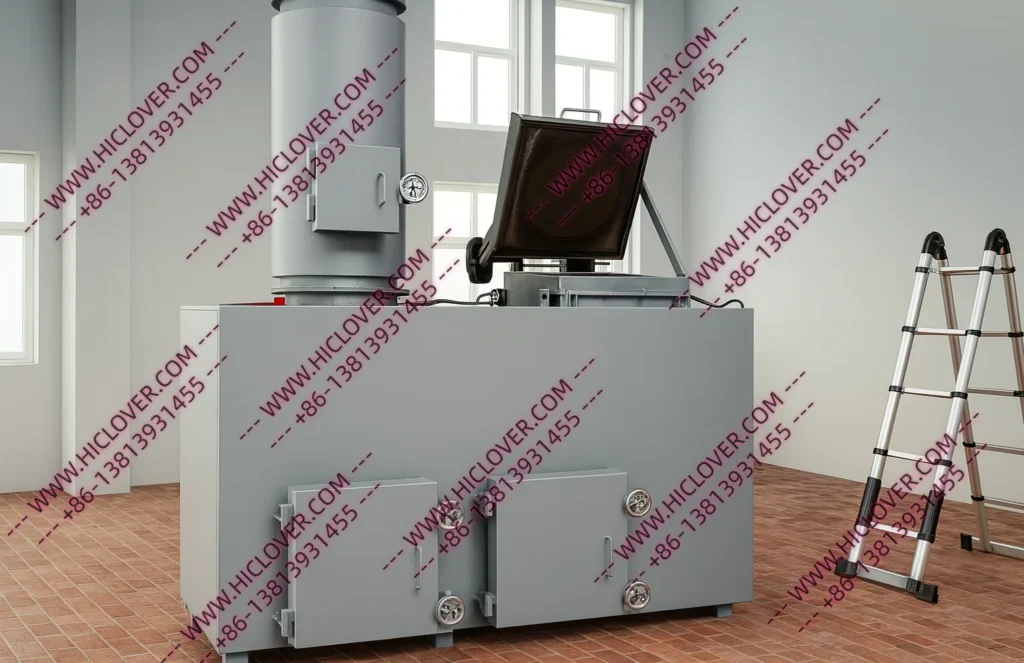
Exploring the HICLOVER Waste Incinerator: A Technical Journey in Waste Management
In the evolving landscape of industrial waste treatment, the narrative of HICLOVER unfolds as a model of engineering reliability and precision. As a manufacturer of ha zardous waste incinerator in china, HICLOVER adheres to stringent industrial standards, including a specific temperature range designed to meet medical incinerator operating temperature standards. With a core focus on both medical waste disposal and industrial applications, the facility’s operations emphasize regulatory compliance and technical temperature standards essential for safe, high-temperature retention and efficient combustion principles. This careful balance of reliability and performance is evident even when handling outputs such as the medical incinerator 20kg systems, making HICLOVER a trusted name in advanced waste incinerators.
Engineering Excellence and Modular Design
The story of HICLOVER is rooted in decades of engineering experience and factory manufacturing capability which have allowed it to remain at the forefront amid evolving global standards. Its dual combustion chamber design— a breakthrough that enhances both the primary and secondary combustion processes—plays a critical role in reducing emissions and ensuring that strict regulatory frameworks, such as those mandated by the WHO and EU emission frameworks, are met. The integration of PLC automation in controlling combustion parameters enables precise temperature modulation and simultaneous management of dry scrubber and wet scrubber options. These technical features contribute to meeting industrial standards while also optimizing energy recovery systems. For more technical details on design and operation, you may reference the HICLOVER information available at https://www.hiclover.com/.
Advanced Control Systems and Global Trends
A significant aspect of HICLOVER’s engineering legacy lies in the incorporation of containerized modular systems. The mobile plug-and-play design and multi-fuel capabilities—ranging from diesel and LPG to natural gas—underscore its adaptability for both fixed and containerized configurations. This versatility is not only


